
OUR PHILOSOPHY
We believe that early childhood is a precious time. It encompasses the formative years of a child's life and is a time to be honoured and treasured. We see the young child as strong and capable, with a wealth of understanding, experiences, culture and connection which they bring to kindergarten. We believe children learn best when strong, meaningful relationships are made and deep listening is active.
Our teaching team…
Are committed to providing a safe learning environment for the children in our care, where children’s wellbeing is of paramount importance.
Are committed to providing programs that are developmentally appropriate and specifically designed to encourage confidence and high self-esteem, through recognising children for their uniqueness and strong sense of identity.
Implement play-based early learning programs that acknowledge both the national Early Years Learning Framework (EYLF) and Victorian Early Years Learning and Development Framework (VEYLDF) and incorporate intentional teaching and child-initiated learning.
See children as lifetime learners who, in the early years, develop and maintain resilience, self-motivation and a sense of wonder.
Believe kindness and strong relationships are the essence of creating global citizens.
Recognise children as researchers who develop critical thinking skills through curiosity, questioning, problem solving and lateral thinking; we are all teachers and learners together.
Acknowledge the Wurundjeri people as the Traditional Owners of the land on which we teach, learn and play. We recognise our responsibility to reconcile and acknowledge our past, to ensure a united future for all.
Promote respectful relationships within the whole community (children, families, teachers and other professionals).
Are committed to continuous learning and improvements to our pedagogical practice through professional learnings and research.
Our Learning Programs Promote and Incorporate…
The development of social, emotional, intellectual, language, physical, creative skills and spiritual wellbeing.
Intentional teaching and child-initiated learning, based on deep listening to the children’s ideas, needs and development.
Active participation through social interactions and collaboration by supporting all children to have a voice and contribute to the group and environment.
Exploration, discovery, problem solving, reflection and meta cognition.
Social and life skills such as caring for others and developing strong relationships through communication.
Teaching restorative practices when conflicts arise.
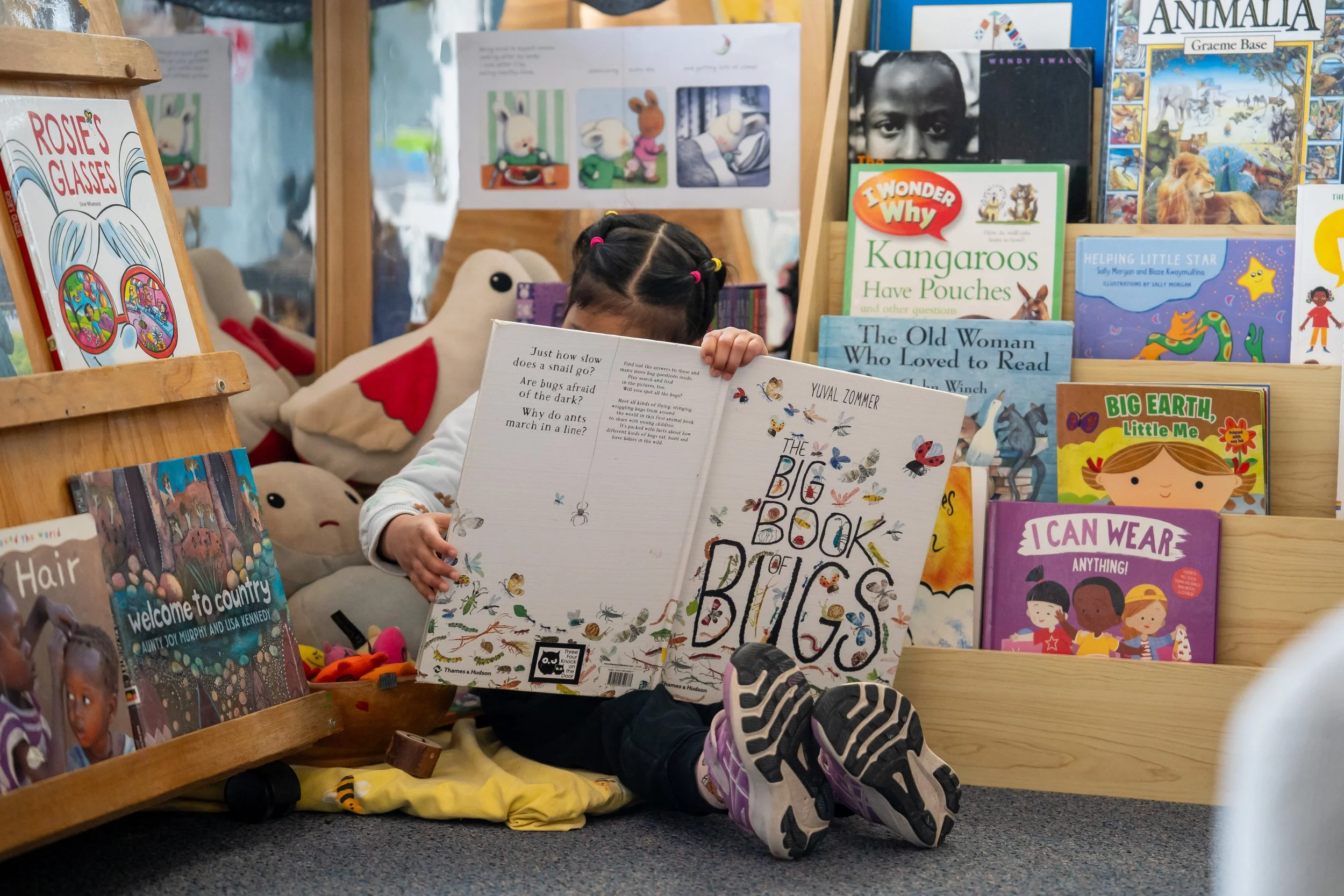
Rich opportunities for development of language, communication, emerging literacy and STEM (science, technology, engineering and mathematics) skills.
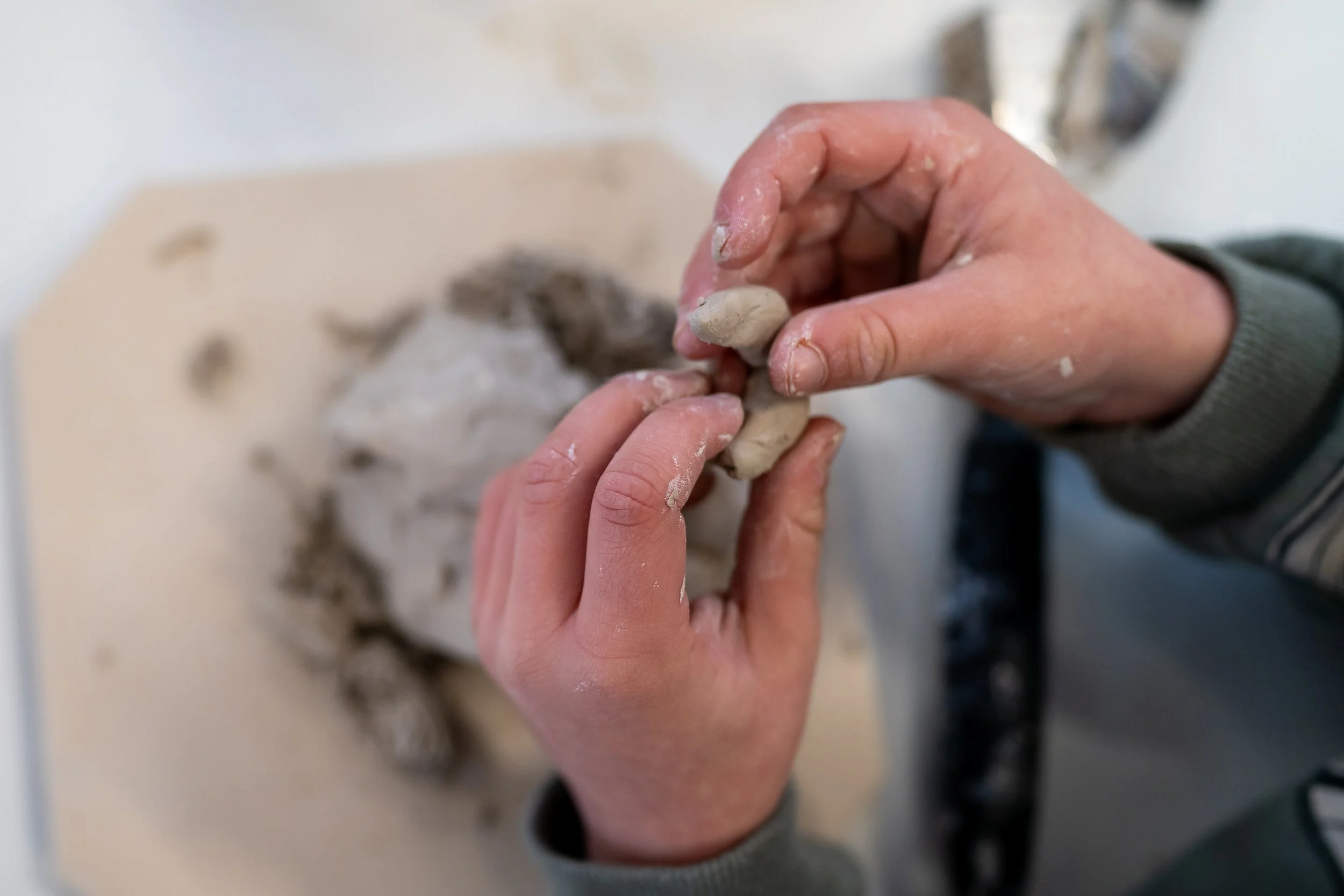
Creative expression through music, drama, dance and art.
Daily sustainable practices through recycling, reusing and reducing and a strong connection to the natural world.
Wellbeing and emotional literacies in our everyday practice, empowering children and developing a strong culture of kindness built on trust.
Inclusion of cultural and family diversity, and individual learning differences.
Equity for all children by challenging gender and ability bias.
A smooth transition to school through strong relationships with local schools and families.
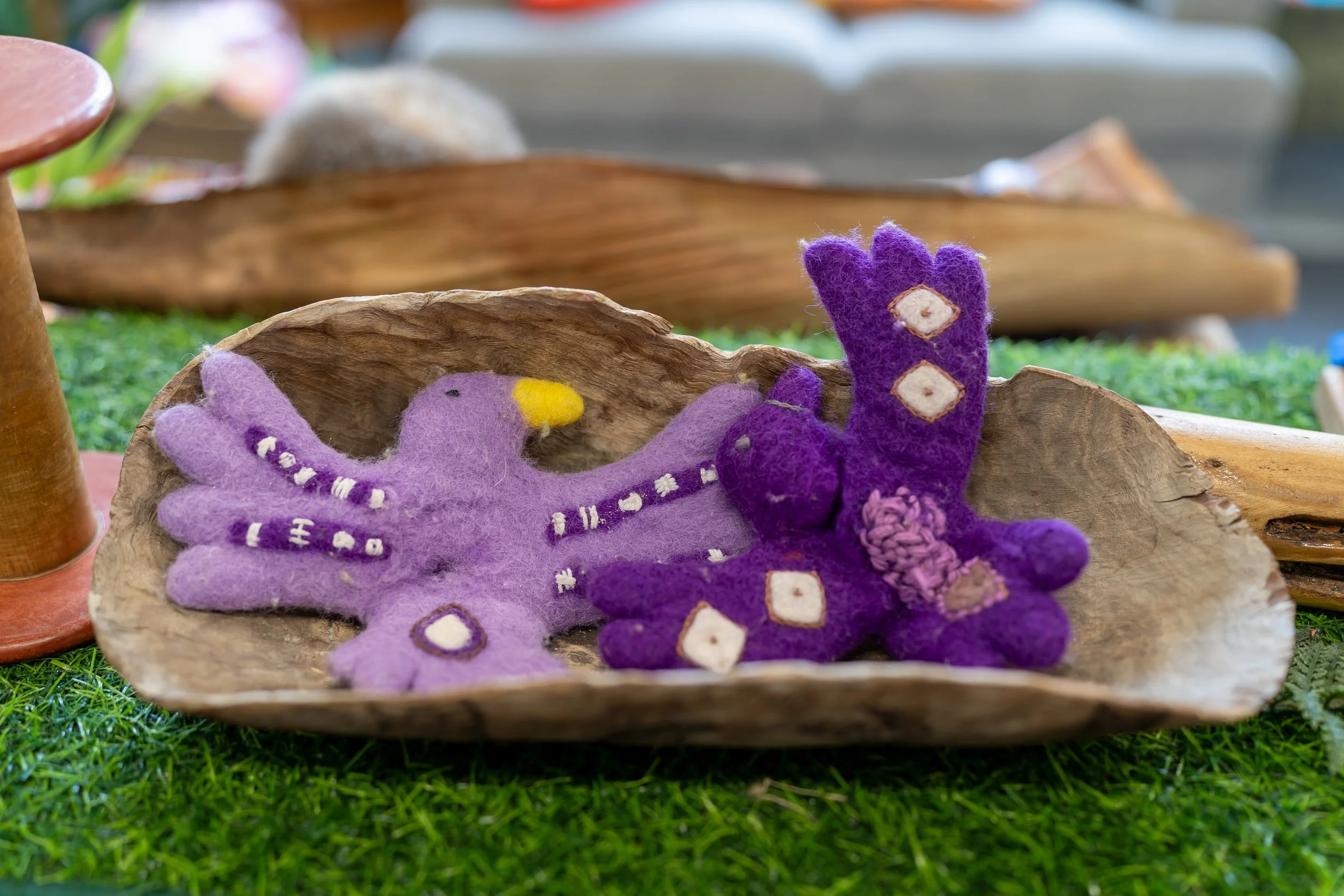
Authentic and meaningful First Nations heritage and cultural perspectives.
“Children learn as they play.
Most importantly, in play, children learn how to learn”
In Partnership with Families and Our Community…
We acknowledge that parents, families and carers are the primary influence on their child. It is our responsibility to work collaboratively with families towards achieving individual goals for their child.
We encourage meaningful participation and believe that partnerships between families, children and teachers must be fostered in order to achieve the best possible outcomes for each child.
Promote respect and connections within the whole community (children, families, teachers and other professionals).
We develop positive relationships and a strong body-safety culture through education and a culture of consent and autonomy.
We are inclusive of cultural and family diversity, and individual learning differences.
Promote active involvement that builds connections between FAK and the broader community.
Our Environment…
Creates and maintains a nurturing sense of belonging where each child feels safe, seen, heard valued and secure.
Teaches children about the interdependence between people, land, animals, plants and water, while encouraging sustainable practices that they will carry through life.
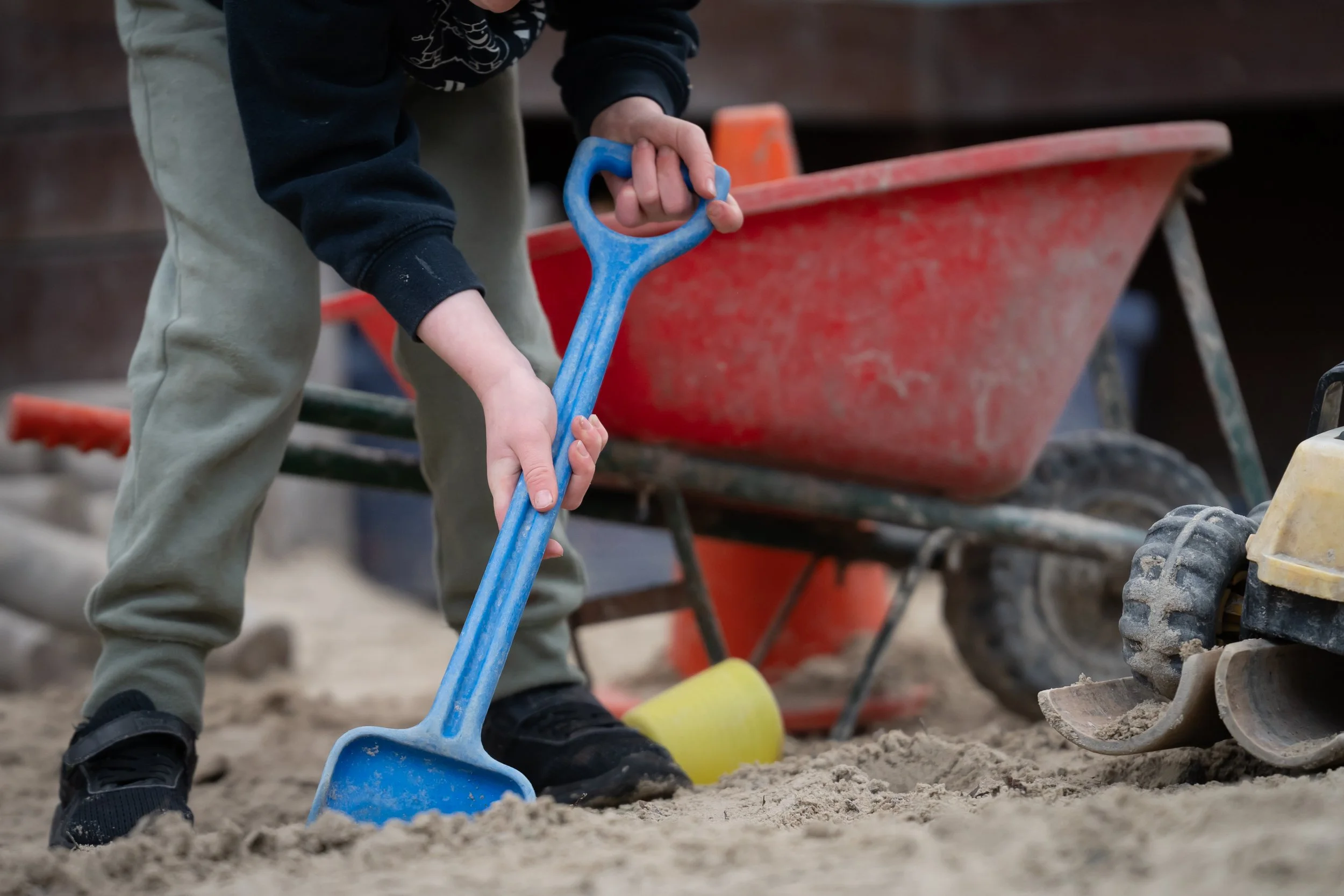
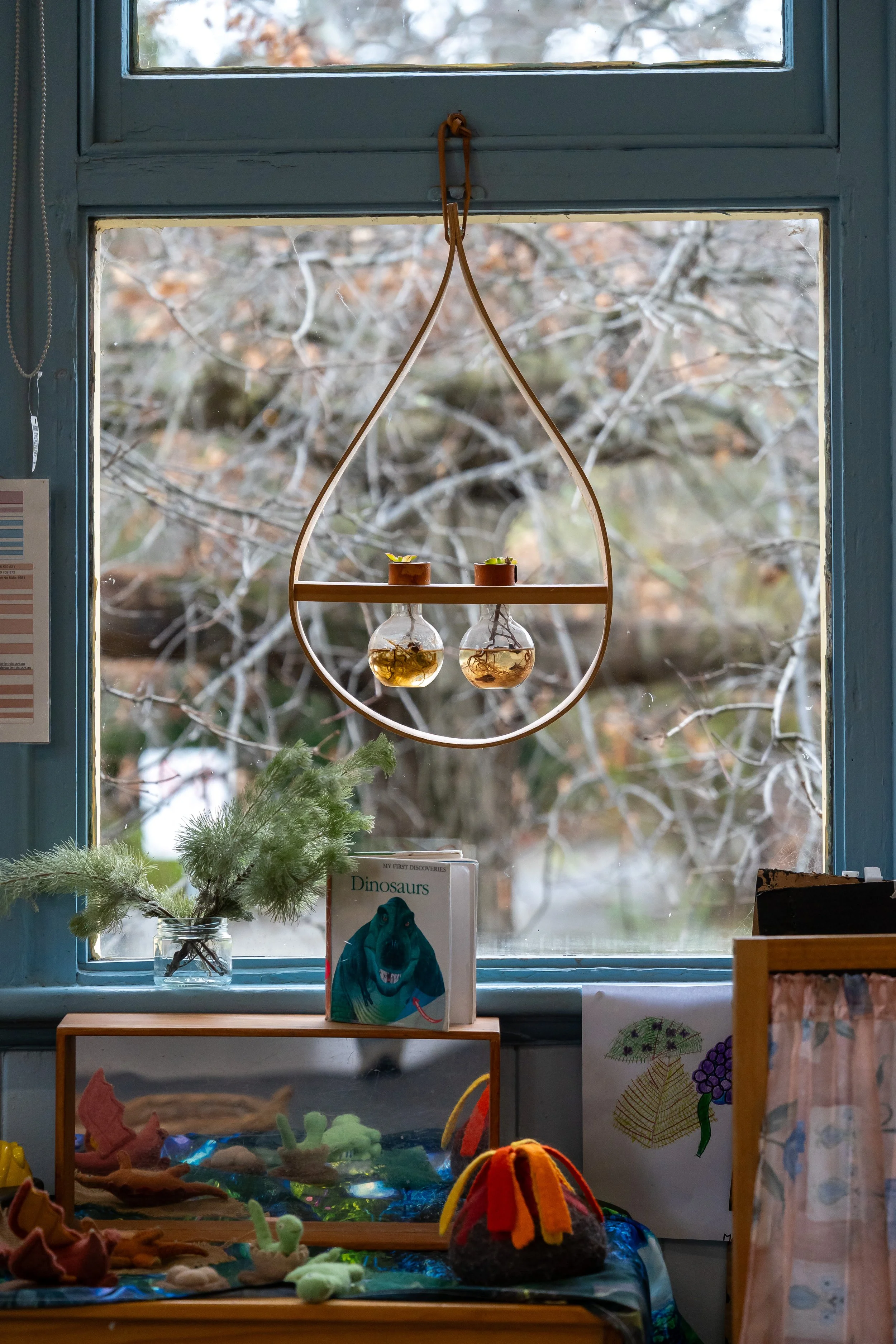
Is seen as the third teacher. It is thoughtfully designed and set up in a stimulating way that encourages the children to create, investigate and hypothesise about the world around them.
Provides the children with rich textual, real-life materials and equipment. Children develop respect, purpose and a strong sense of capability and worth though their play and interactions.
Inspires children to take measured risks by providing the time and space for them to challenge and expand their thinking.